
Estate Planning Tips for New Jersey Families (2026)
Estate planning is no longer something only wealthy individuals need to consider. In 2026, more families across New Jersey are recognizing the importance of protecting their assets, planning for unexpected life events, and ensuring their loved ones are cared for in the future.
Whether you own a home, have children, run a business, or simply want peace of mind, creating a proper estate plan can help your family avoid unnecessary legal complications and financial stress. At Steketee Law Firm, we help individuals and families throughout New Jersey create customized estate plans designed to meet their unique goals and needs.
Why Estate Planning Matters in 2026
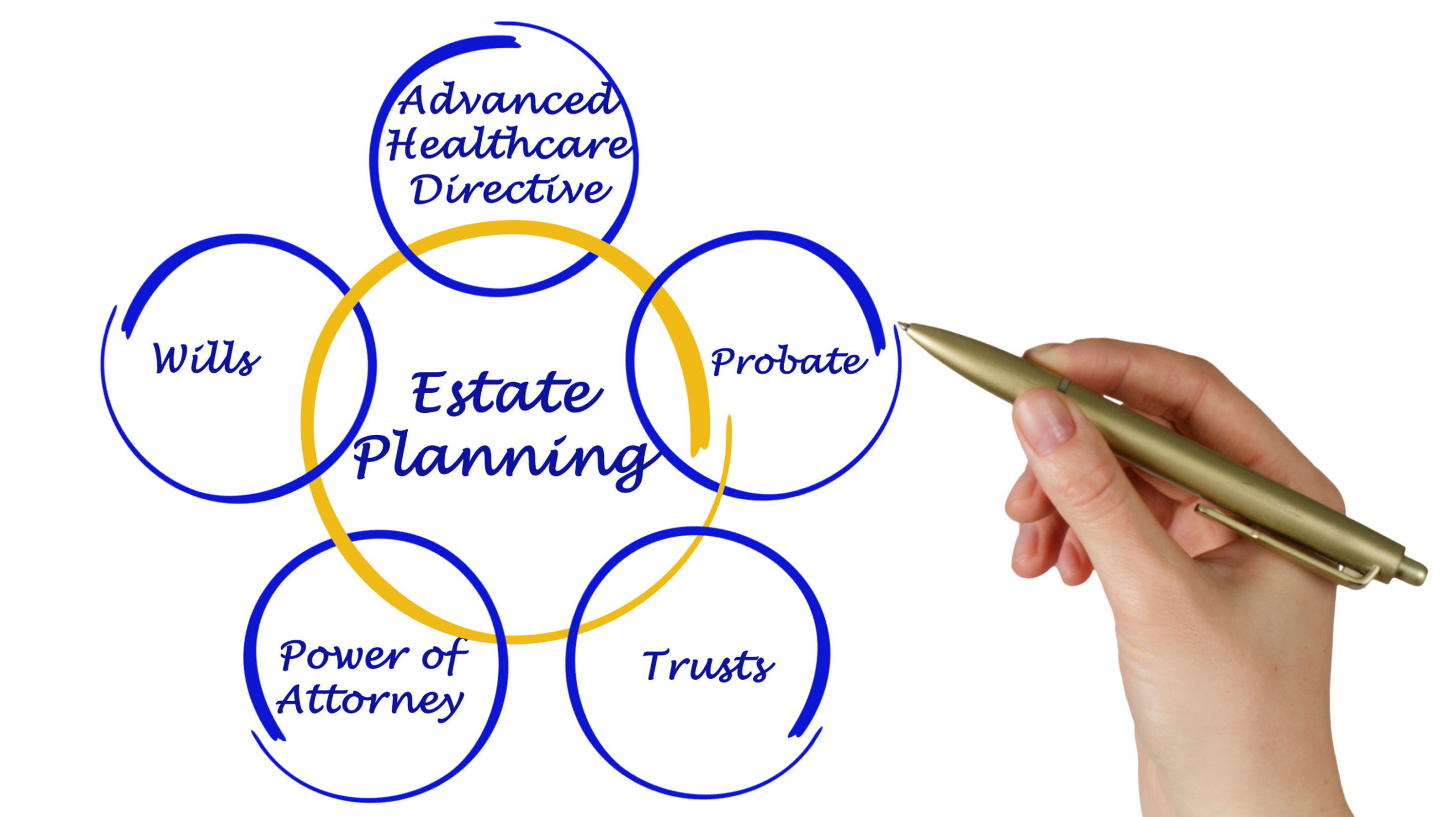
Many people believe estate planning only involves drafting a will. In reality, a complete estate plan includes several legal documents that work together to protect your finances, healthcare decisions, and loved ones.
Without a valid estate plan in place, New Jersey law will determine how your assets are distributed after your passing. This can result in delays, family disputes, unnecessary court involvement, and additional expenses through probate proceedings.
Estate planning can help you:
- Protect your family’s future
- Control how your assets are distributed
- Minimize probate complications
- Appoint guardians for minor children
- Prepare for medical emergencies
- Reduce family conflicts
- Protect privacy and financial interests
As laws and financial circumstances continue to evolve in 2026, updating or creating an estate plan has become more important than ever.
Essential Estate Planning Documents Every Family Should Have
Last Will and Testament
A Last Will and Testament outlines how your property and assets should be distributed after your death. It also allows you to name guardians for minor children and appoint an executor to manage your estate.
Without a will, your estate may be distributed according to New Jersey intestacy laws, which may not reflect your wishes.
Revocable Living Trust
A Revocable Living Trust can help families avoid probate, maintain privacy, and simplify asset distribution. Trusts are especially beneficial for homeowners, blended families, business owners, and individuals with significant assets.
In many cases, trusts provide greater flexibility and control than a will alone.
Durable Power of Attorney
A Durable Power of Attorney allows a trusted person to manage your financial affairs if you become incapacitated. This document can help avoid costly court proceedings if you are unable to make decisions yourself.
Healthcare Directive
A Healthcare Directive, also known as an Advance Directive, allows you to express your medical treatment preferences and appoint someone to make healthcare decisions on your behalf if necessary.
This document ensures your wishes are respected during medical emergencies.
Common Estate Planning Mistakes New Jersey Families Make
Many families delay estate planning because they believe they are too young or do not have enough assets. Unfortunately, waiting too long can create serious legal and financial problems later.
Some of the most common estate planning mistakes include:
- Failing to create a will or trust
- Not updating documents after marriage, divorce, or childbirth
- Forgetting to update beneficiaries
- Naming the wrong executor or trustee
- Ignoring incapacity planning
- Assuming estate plans never need updates
Estate planning should be reviewed regularly to reflect life changes and current laws.
How New Jersey Probate Can Affect Your Family
Probate is the legal process of administering a deceased person’s estate. While probate in New Jersey can sometimes be straightforward, it may also involve delays, court filings, legal fees, and disputes among family members.
Proper estate planning can help reduce the burden probate places on surviving loved ones. Tools such as trusts, beneficiary designations, and properly titled assets can simplify the transfer process and protect your family from unnecessary stress.
Estate Planning for Parents and Homeowners
Parents and homeowners often have additional estate planning concerns. If you have minor children, naming legal guardians is one of the most important steps you can take.
Homeowners should also ensure their property is properly included in their estate plan. Real estate assets that are not coordinated with a trust or estate strategy can create probate complications later.
At Steketee Law Firm, we work closely with New Jersey families to create estate plans that protect both their loved ones and their property.
When Should You Update Your Estate Plan?
An estate plan should be reviewed whenever significant life changes occur, including:
- Marriage or divorce
- Birth or adoption of children
- Purchasing property
- Starting a business
- Major financial changes
- Relocating to New Jersey
- Changes in tax laws
- Death of a beneficiary or executor
Even if nothing major has changed, reviewing your estate plan every few years is highly recommended.
Work with an Experienced New Jersey Estate Planning Attorney
Estate planning is one of the most important legal steps you can take for your family’s future. A properly prepared plan can provide clarity, protection, and peace of mind for years to come.
At Steketee Law Firm, we help New Jersey families create personalized estate plans tailored to their unique goals and circumstances. Whether you need a will, trust, power of attorney, or a complete estate planning package, our team is here to guide you every step of the way.
Contact Steketee Law Firm
If you are ready to protect your family and plan for the future, Contact Steketee Law Firm today to schedule a consultation with an experienced New Jersey estate planning attorney.